Regarded by many engineers as a “super polymer,” PEEK is a colorless, organic, semicrystalline thermoplastic in the polyaryletherketone (PAEK) family. It has a high modulus and hardness, which makes it more rigid and difficult to machine than softer polymers, like PTFE. PEEK is highly resistant to thermal degradation and attack by both organic and aqueous media. It resists creep and retains dimensional stability at high temperatures and pressures, making it ideal for use in seal backup/anti-extrusion devices, and high-temperature scraping applications in viscous media.
Key Properties of PEEK

High
Temperature
Range

Excellent
Media
Compatibility

Moderate
Coefficient
of Friction

High
Tensile
Strength

High
Hardness
Bal Seal® PEEK Material Performance
Our PEEK sealing materials for rotary, reciprocating, and static applications are formulated to provide optimal performance and service life in your designs. Our offering ranges from virgin PEEK to precision blends that leverage the additive properties of carbon fiber, PTFE, and other fillers to meet specific temperature pressure, speed, and wear requirements. PEEK formulations are available to meet strict NORSOK standards.
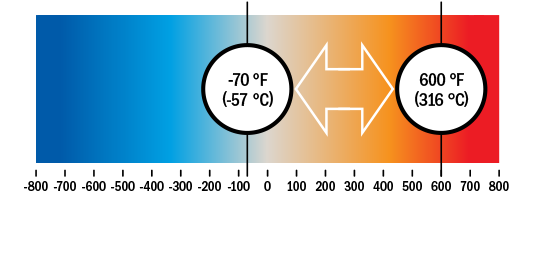
Temperature Resistance
(° fahrenheit)
Media Compatibility
(rating)

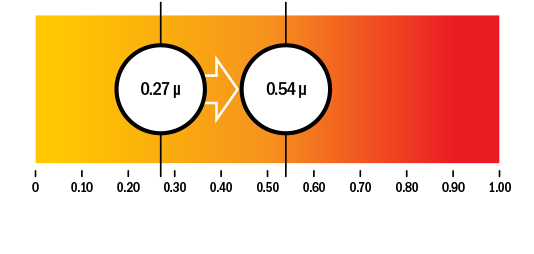
Friction
(µ at ambient temperature)
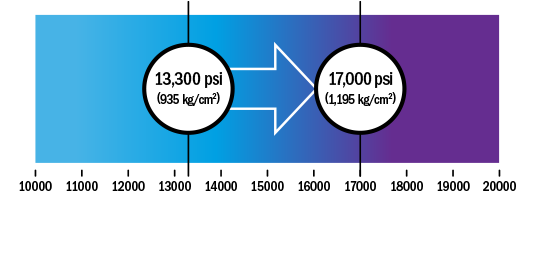
Tensile Strength
(psi at break)
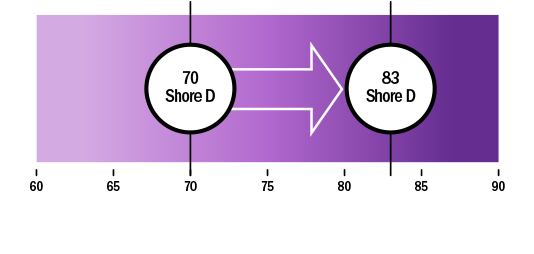
Hardness
(Shore D)
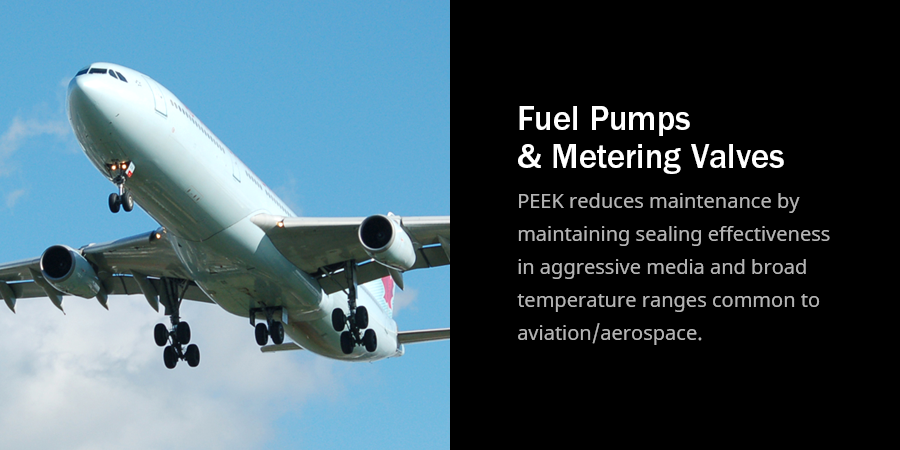
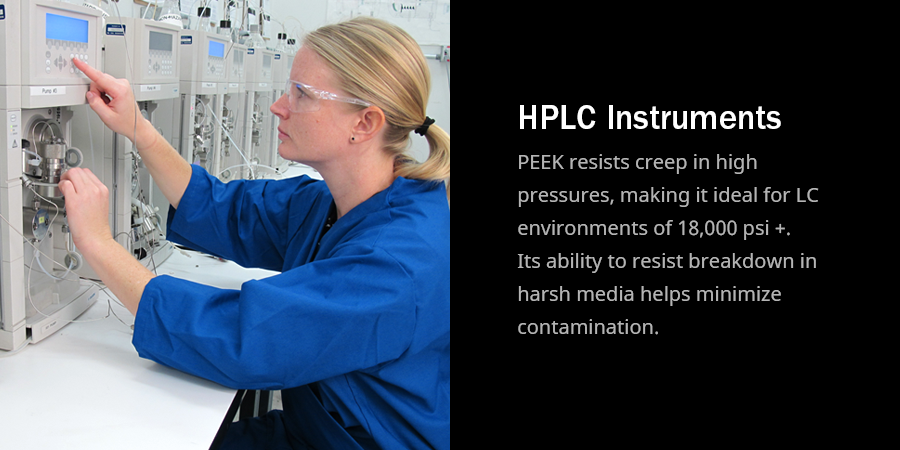
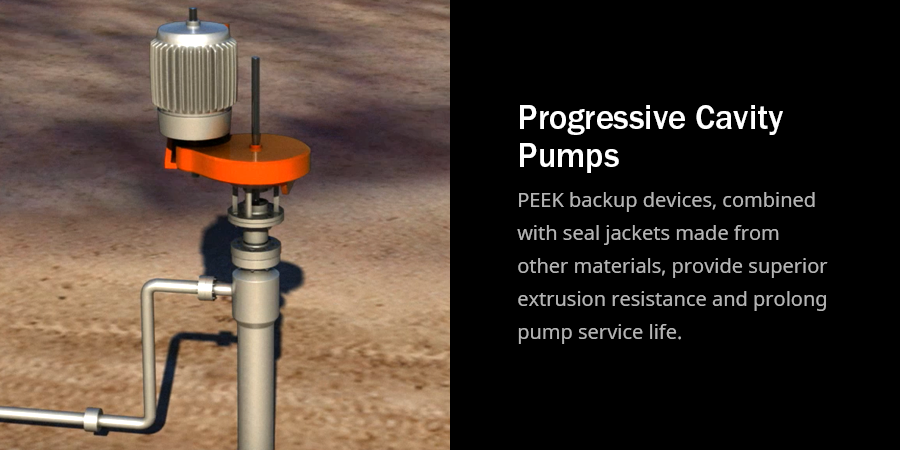
PEEK Seal Applications
PEEK Technical Resources
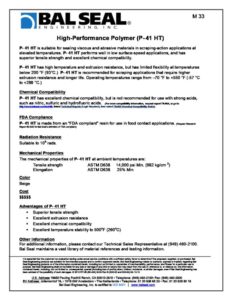
High-Performance Polymer
(P41 HT)
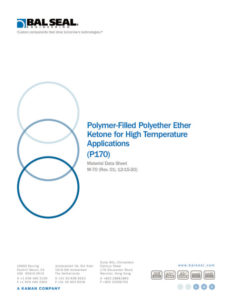
Polymer-Filled Polyether Ether
Ketone for High Temperature
Applications
(P170)
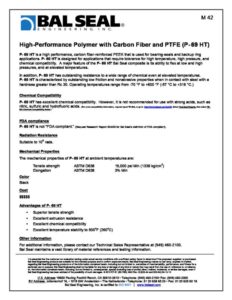
High-Performance Polymer
with Carbon Fiber and PTFE
(P69 HT)
PEEK Material FAQs
This material is used where its balance of friction, wear, temperature capability, and chemical compatibility aligns with the sealing requirements of the application.
Each Bal Seal material family offers different performance strengths. Selection depends on whether your priority is low friction, high strength, abrasion resistance, cryogenic performance, or chemical compatibility.
Yes. Bal Seal Engineering can recommend the right formulation based on your operating conditions, wear concerns, and performance targets.
Bal Seal material options are used across demanding applications including aerospace, medical, analytical, industrial, cryogenic, and clean environments depending on the specific formulation.
Yes. Bal Seal materials are used in custom spring-energized seals and related sealing components tailored to the geometry and operating conditions of the application.
Yes. Bal Seal Engineering works with OEM teams to evaluate performance requirements and recommend materials and designs for custom sealing challenges.
Need Help Selecting a Material?
Our engineering team can help evaluate material fit, performance tradeoffs, and application requirements to identify the right sealing solution.