Our Bal Conn® electrical connector is the implantable-grade component of choice for designers who need to make reliable, consistent spring-loaded connections in active implantable medical devices for cardiac rhythm management (CRM) and neuromodulation. For more than 20 years, it has been improving device performance, supporting emerging therapies, and making smaller, more functional devices possible. Its uncompromising conductivity and compact design make it ideal for use in devices with high connection counts.
What Is the Bal Conn Electrical Connector?
The Bal Conn® electrical connector is a precision-engineered spring-loaded contact designed specifically for active implantable medical devices (AIMDs). Built around Bal Seal’s proven canted coil spring technology, the Bal Conn connector provides multi-point electrical contact with ultra-low resistance (<100 mΩ), enabling reliable power and signal transmission between device electronics and implanted leads.
Unlike conventional set-screw or pin-and-socket connections, the Bal Conn’s canted coil spring automatically compensates for lead misalignment, tolerance variations, and mating surface irregularities — delivering consistent, fatigue-resistant conductivity through the full implant lifetime. Available in inside diameters from 0.6 mm to 10+ mm, Bal Conn connectors support both current cardiac rhythm management (CRM) standards and emerging high-channel-count neuromodulation architectures.
Why Choose Bal Conn for Implantable Device Connectors?
For over 20 years, medical device OEMs have chosen Bal Conn® electrical connectors to improve device performance, support emerging therapies, and enable smaller, more functional implantable devices.
Ultra-Reliable & Biocompatible
The canted coil spring’s individual coils create multiple parallel contact points that distribute current evenly and provide built-in redundancy for unmatched reliability. Both spring and housing are available in a range of implantable-grade materials.
Compact Size for High-Density Designs
With inside diameters down to 0.6 mm, Bal Conn enables the highest connection density available in implantable connectors. Its compact profile manages more power in less space, supporting the industry trend toward smaller devices with increasing channel counts for next-generation neuromodulation and neurostimulation therapies.
Eliminates Set Screws & Simplifies Assembly
Bal Conn’s spring-loaded design eliminates set screws, reducing implant procedure complexity and patient risk. The connector’s low insertion force and bi-directional service simplify lead connection during implant, while customizable housing geometries integrate seamlessly with your device header manufacturing process.
Bal Conn Electrical Connector Construction
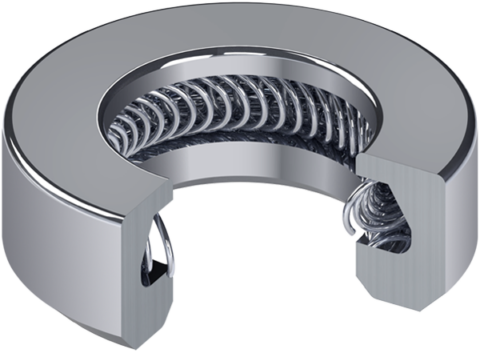
Consisting of a housing made from medical-grade alloys and a Bal Spring® canted coil spring, the Bal Conn electrical connector is precision-built to help device designers connect with confidence. Its spring coils ensure ultra-reliable multi-point electrical contact with superior resistance to fatigue.
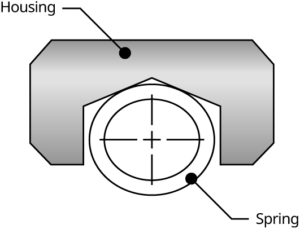
Bal Conn electrical connector housings are typically cylindrical, but their geometry can be customized to incorporate features that aid in connector retention and simplify assembly processes.
Bal Conn Electrical Connector Sizes Down to 0.6 mm
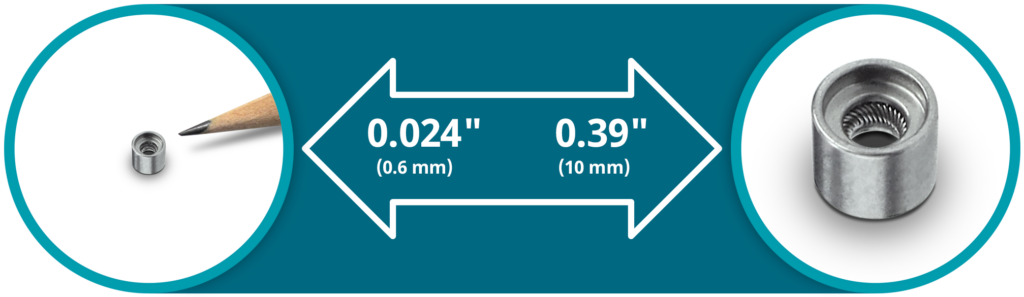
The Bal Conn electrical connector plays a big role in the consistent, reliable operation of active medical devices. But it keeps a very low profile, managing more power in less space than any other leading contact technology. With our advanced manufacturing processes, we can produce these connectors with inside diameters ranging from 0.024 in. (.6 mm) to 0.39 in. (10 mm)+.
Bal Conn Electrical Connector Function
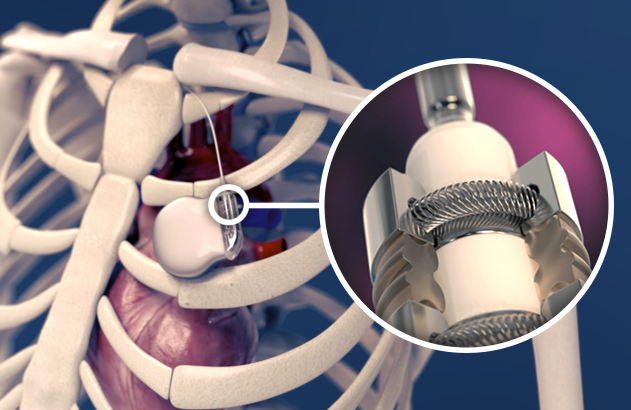
The Bal Conn® enables transmission of power from the battery and electronics to the lead in implantable medical devices. Typically, multiple Bal Conn electrical connectors are arranged in a serial configuration as part of the interconnect system in a device header, or in an interconnect for a lead segment that helps reduce patient risk. The connector’s canted coil spring element aligns with an electrode on the device lead, creating a reliable connection with very low contact resistance (<100 mΩ).
Bal Conn Electrical Connector Configurations
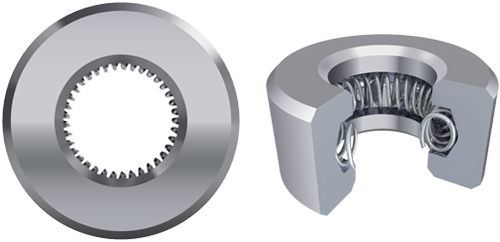
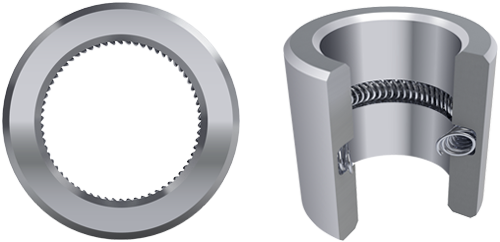
We offer Bal Conn electrical connectors in configurations that meet requirements for current and emerging neuromodulation technologies, as well as industry standards for implantable cardiac devices. These connector designs can be integrated into your device as a turnkey solution, or they can serve a baseline for accelerated customization.
 |
|
| Bal Conn Neuro |
 |
|
| Bal Conn IS-1 | |
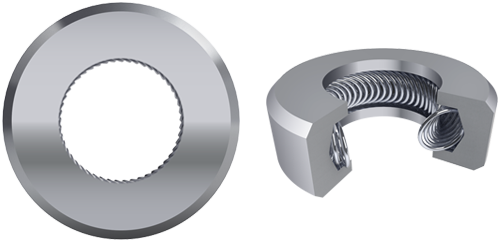 |
|
| Bal Conn Radial IS-4/DF-4/VAD | |
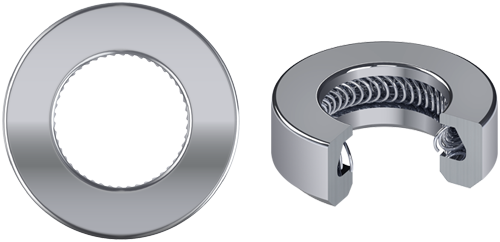 |
|
| Bal Conn Axial IS-4/DF-4 |
Bal Conn Electrical Connector Performance
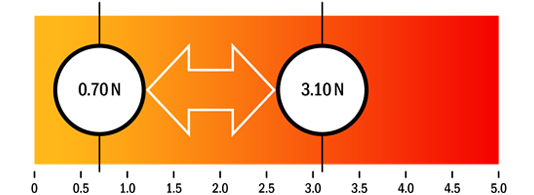
Electrical connector performance can be influenced by size, housing and spring material selection, spring coil density, and many other factors. With our design experience and consultative engineering approach, we can help you make the best choices for your device. Here’s a look at some general Bal Conn® performance characteristics.
Nominal Static Dry Contact Resistance (mΩ)*

Running Force Range (N)
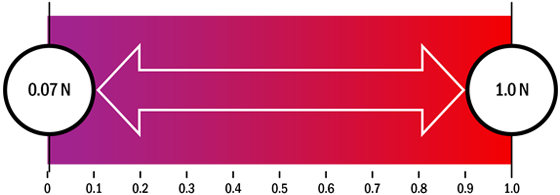
Maximum Breakout Force (N)
*Tolerances for this value can range from +/- 15 mΩ to +/- 200 mΩ, depending on a variety of physical and material factors. Contact us, and we’ll help you achieve the optimal electrical performance.
Bal Conn Electrical Connector Materials
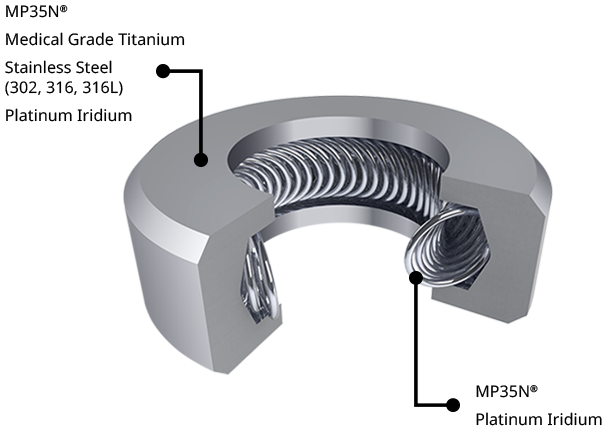
Our Bal Conn electrical connector is available in a range of implantable-grade, biocompatible housing and spring materials.
Bal Conn Electrical Connector Spring Force
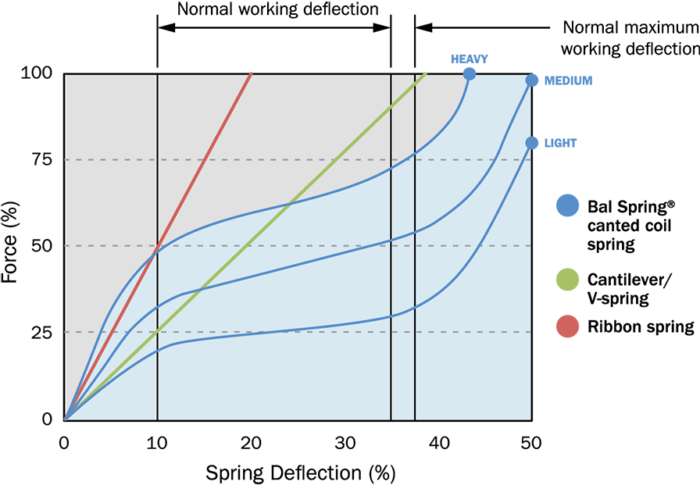
At the heart of the ultra-reliable Bal Conn electrical connector is our proven Bal Spring® canted coil spring technology. Our spring exerts a near-constant force across the working deflection range, and its forces remain consistent. The spring resists compression set, and its individual coils compensate for misalignment, tolerance variations, and mating surface irregularities. Its multiple coils also provide contact redundancy. The spring’s mechanical and electrical properties enable Bal Conn to outperform other connector technologies.
Bal Conn Electrical Connector Applications
Bal Conn® electrical connectors are designed and manufactured for the most critical electrical connections in active implantable medical devices, where consistent conductivity and long-term reliability directly impact patient outcomes.
Cardiac Rhythm Management
Pacemakers, ICDs, and CRT devices use IS-1, IS-4, DF-4, and VAD-compliant Bal Conn connectors to establish reliable connections between pulse generators and implanted leads. Axial and radial spring configurations accommodate different lead standards and device header architectures.
Neuromodulation & Neurostimulation
Spinal cord stimulators, deep brain stimulators, and peripheral nerve stimulation devices use Bal Conn connectors engineered for lead diameters as small as 0.6 mm, enabling the high-density, multi-channel architectures that advanced neurostimulation therapies require.
Emerging Implantable Technologies
Cochlear implants, retinal prostheses, vagus nerve stimulators, and next-generation bioelectronic medicine platforms rely on Bal Conn’s proven spring contact technology and customizable form factors to enable the miniaturized, high-reliability interconnects these emerging devices demand.
Bal Conn Electrical Connector Customization
If your device design requires connectors with special features or geometries, we’ve got you covered. Bal Conn electrical connectors can be customized to fit your unique product and process needs, simplifying installation and integrating seamlessly with your manufacturing methods. Here are some examples:
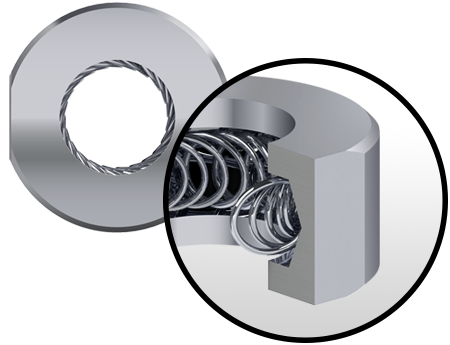
Bal Conn with flat side for improved device header integration.
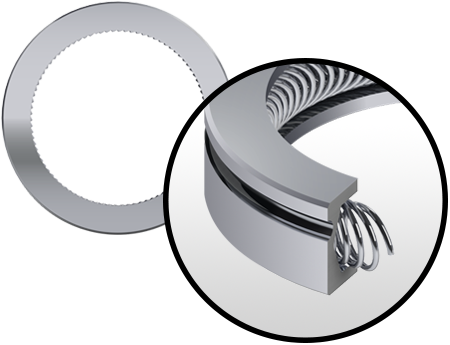
Bal Conn with OD groove for welding process integration.
Bal Conn Electrical Connector FAQs
Bal Conn® is a standalone electrical connector component — the spring-loaded contact and housing without integrated seals. SYGNUS® is a complete system that combines Bal Conn-type connectors with silicone isolation seals in a turnkey, pre-validated assembly. Choose Bal Conn when you’re integrating the connector into your own sealing and header architecture; choose SYGNUS when you want an integrated seal-and-connector solution to accelerate development.
Bal Conn electrical connectors can be manufactured with inside diameters as small as 0.024 in. (0.6 mm), making them among the smallest implantable electrical connectors available. This enables high-density connection architectures in compact device headers for next-generation neuromodulation and neurostimulation devices with increasing electrode counts.
Bal Conn connectors achieve nominal static dry contact resistance below 100 mΩ. The canted coil spring’s multiple independent coils provide redundant contact points for consistent, low-resistance conductivity. Actual resistance values depend on spring material, coil count, housing geometry, and plating. Tolerances can range from ±15 mΩ to ±200 mΩ depending on configuration — our engineers will optimize the design for your electrical requirements.
Bal Conn housings are available in implantable-grade MP35N®, 316L stainless steel, medical-grade titanium, and platinum iridium. Contact springs are manufactured from MP35N® or platinum iridium. All materials are selected for long-term biocompatibility, corrosion resistance, fatigue life, and MRI compatibility in permanent implant applications.
Yes. Bal Conn’s spring-loaded contact design eliminates the need for set screws in implantable cardiac device headers. The canted coil spring provides reliable lead retention and electrical connection without the tightening tools, torque requirements, and potential lead damage risks associated with set-screw fixation. This simplifies the implant procedure and reduces the risk of connection-related complications.
Absolutely. Bal Conn connector housings can be customized with flat sides for improved header integration, OD grooves for welding processes, retention features, and other geometries tailored to your specific device design and manufacturing requirements. Spring force, coil count, and materials are all configurable. Contact our engineering team to discuss your connector requirements.
Request Bal Conn Engineering Support
Every Bal Conn® electrical connector is custom engineered for your specific implantable device application. Our medical device connector engineers will evaluate your lead interface requirements — channel count, lead diameter, force specifications, and regulatory standards — and design a Bal Conn solution optimized for conductivity, reliability, and biocompatibility. Over 20 years of implantable connector expertise backs every design we deliver.